
Key takeaways:
Keel Infrastructure spent nine years as a bitcoin miner, securing the land, long-term power agreements and grid connections AI data centers now need
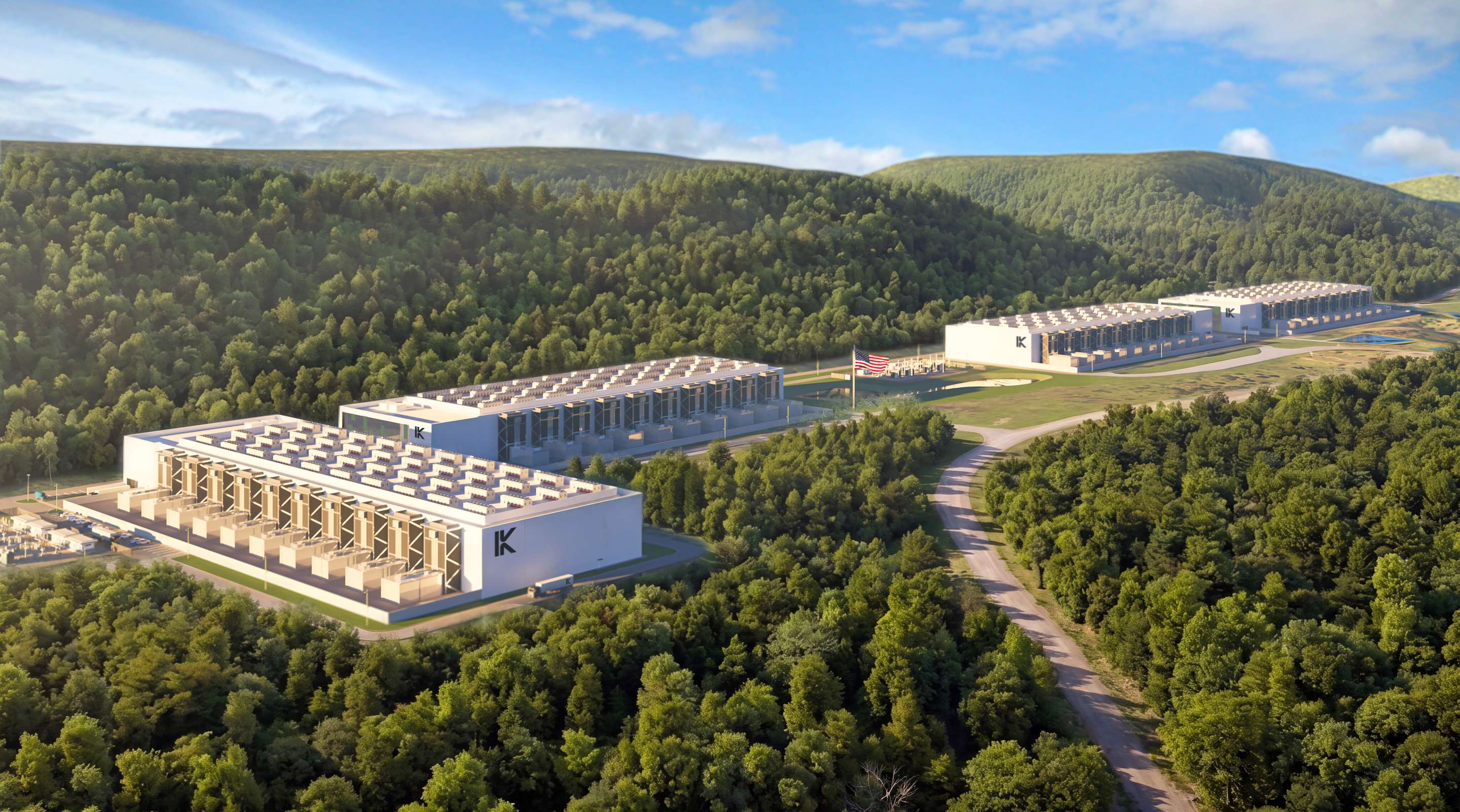
Keel Infrastructure has exited bitcoin mining and now builds data center sites with secured power for AI companies on land it owns in North America
Keel Infrastructure pays for the grid improvements its sites require so local families and businesses don’t carry the cost. It also uses closed-loop water systems and engineers sites to limit noise and visually fit the surroundings
Keel Infrastructure backs its community commitments with the Keel Standard: a Community Benefit Agreement, a formal grievance process and a baseline assessment of community conditions before it builds
______
Work has historically been measured in calories and in joules. Today, it's being measured in tokens. And while the price of a token has a ceiling, the value of one does not.
Every generation builds its defining infrastructure: the railroads, the electric grid, the highways, the internet. As AI reaches more of daily life, the physical demands grow with it.
Building the compute for AI has become an infrastructure problem. Nothing rises until the power is there, and the time it takes to connect a large new facility to the grid is usually measured in years. Access to power has become one of the industry's most valuable assets.
Wherever energy has been abundant and affordable, industry has followed: coal country, steel towns, manufacturing corridors. Some of those regions powered our country for generations. When the plants closed or the companies moved on, many were left with less than what they'd been given.
We're planning to build somewhere different: on land where we've already spent years as neighbors, in communities we're not leaving.
How our past makes us an ideal supplier of land and power for AI data centers
Our company was founded in 2017 as Bitfarms. For nine years we developed and operated large-scale computing facilities that mined bitcoin, first in Québec, then in Washington, for a period in South America, and more recently in Pennsylvania. The strategy was never really about bitcoin. Mining was the use case that let us build what actually mattered: the discipline to secure power at a fair price, lock it under long-term agreements, and build on sites other developers had passed over. Bitcoin was simply the first thing we put that capability to work on. The intent, from the start, was for the power, the land and the operating discipline to outlast whatever we were running on top of them, because reliable, affordable power sits in hard places and doesn't move once you've secured it.
In 2023, as AI became a commercial industry, the question in front of us was direct: was our future in mining, or in the energy infrastructure underneath it? That decision was easier precisely because of how we had built the business. The land under our computers and the power agreements that kept them running were assets any growing industry would want. We built a plan to structure the business around those assets rather than whatever sat on top of them, because the companies developing AI need powered sites, and they need them on timelines the grid can't meet on its own. That demand curve is not going away. It's the long-term setup we built the company to meet.
We said we would exit Latin America and bitcoin, and become a North American company. We did. We said we would rebuild the balance sheet to pay for that transition. We did. Earlier this year we stopped mining at our US sites, decommissioned the machines and demolished the buildings that housed them. That is the first phase of construction, and it is now complete at all three of our near-term sites. We own the land. The substations and the grid connections are still here. What our customers put in our facilities, and what they do with it, is up to them.
What we commit to our host communities: the Keel Standard
No two of our sites are the same. Each has its own design, its own power arrangement and its own community, made up of residents who will judge what we build by how it affects them. Long-term relationships with host communities are part of the same strategy as long-term power contracts. We understand what a project of this size means to other families and local businesses, and we know a community's trust is earned slowly, through results people can see, not through promises.
That shapes how we will develop these sites going forward. We are already putting resources into the organizations our host communities rely on, including youth and after school programs, recreation and sports leagues, first responders and family services. We support them because they are part of what makes these communities strong. In Nesquehoning, that means funding a full-time community school coordinator, after-school programs and the school bus system for Panther Valley School District, and funding and staffing food pantries that serve about 500 families, or roughly 2,000 people, a month.
We call our approach the Keel Standard. Community opposition to data centers usually comes down to three things: a lack of transparency, no real say for the people who live nearby, and no commitments once the permits are in hand. The Keel Standard answers each of them with a concrete commitment.
First, a community benefit agreement. We are negotiating our first now with the Nesquehoning Borough Council for our Panther Creek site in Pennsylvania, and we started that work before the state required it. Sharon and Scrubgrass are next. The agreement is designed to scale as the power on a site grows, so the community benefits alongside our success.
Second, a formal way for residents to raise concerns. We are building a grievance process that gives every resident a local point of contact, defined response times and a route to appeal, with oversight at the board level. It launches in Nesquehoning first and then comes to each of our sites. It is meant to open every avenue for neighbors to tell us what they are seeing and hearing, not to be a hotline or a generic email address.
Third, measuring before we build. We have engaged third-party consultants to run a Community Baseline Assessment in Nesquehoning, documenting residents’ views on housing, employment, education, income, health and local services before Panther Creek is built. They begin sitting down with residents in November, and in December every household in the borough will receive a confidential survey. We will share the highlights with the Borough Council in 2027, repeat the assessment over time, and do the same in Sharon and Scrubgrass. That way we can track what our projects actually change and make decisions based on evidence rather than assumptions.
This work is already visible. We have held more than 20 town halls and information sessions across Nesquehoning, Sharon and Scrubgrass, and more than 500 people have attended. Pennsylvania’s executive order making the state’s GRID standards mandatory for data center developers is largely in line with what we were already doing, and we fully endorse it. Both Panther Creek and Sharon secured their zoning approvals before the order was discussed. Being a good neighbor is good business: infrastructure projects backed by strong community support get built and last.
Being part of a place for decades, not years, means thinking now about what these sites look like a generation from now. That starts with protecting what communities can't replace. We will pay for the grid improvements our sites require rather than passing that cost to the families and businesses who share those lines. Water will move through closed systems instead of drawing continuously on the local supply. We'll plan and engineer our sites to limit noise and fit visually within their surroundings. Done right, people will know our name for what we do beyond the fence. The rest of it stays out of sight.
Our long-term plan for power and land
None of this is a finished state. The strategy from here is the same one that got us this far: get ahead of demand rather than chase it, keep acquiring power and land before the market prices it in, and build the operating discipline to deploy it fast once we do. We expect this buildout to run for decades, not news cycles, and we intend to be one of the companies still standing, and still building, when it does.
A keel is the structural backbone of a ship. It runs along the bottom of the hull, holds the frame together and keeps the vessel stable and moving in the right direction regardless of the conditions above the waterline. Almost nobody ever sees it. We chose the name Keel Infrastructure because that's our job. We are not competing with anyone's ideas about AI. We are powering the people who have them, in towns that powered industry before, alongside the people who still live in them. Everything above the waterline belongs to our customers and those communities. The keel does not surface. It holds.